
Epigenetic modification could open a new avenue to combat acute myeloid leukaemia
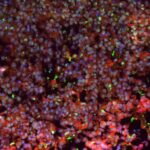
An IDIBELL study shows that increasing the methylation of a histone reduces the proliferation capacity of leukaemia cells in preclinical models and in patient samples

An IDIBELL study shows that increasing the methylation of a histone reduces the proliferation capacity of leukaemia cells in preclinical models and in patient samples

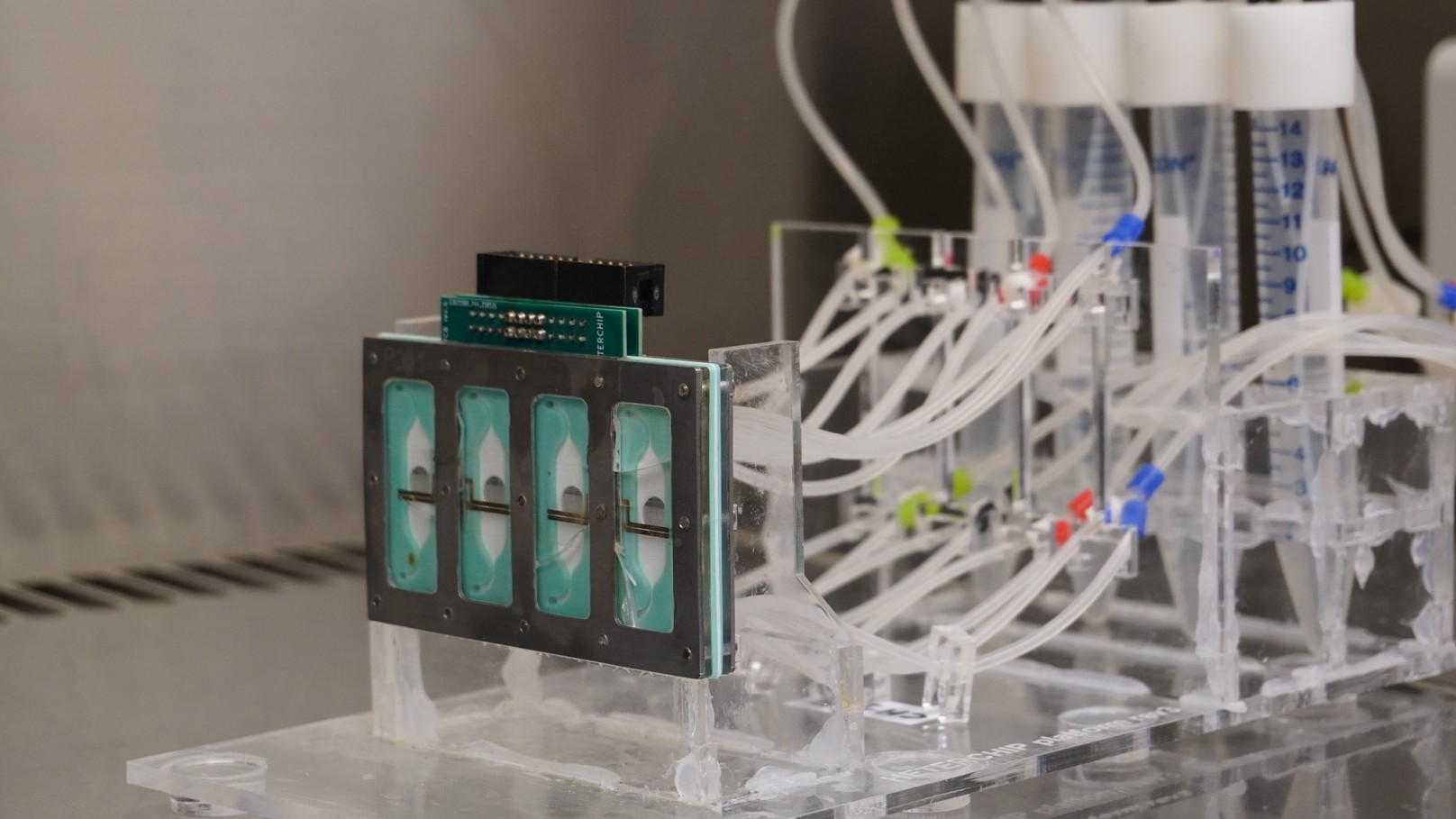
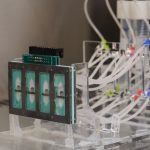
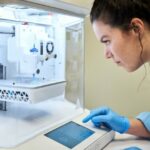
Researchers from IDIBELL and IMB-CNM have developed a new vascularized cardiac model: a chip integrated into living heart tissue generated from human stem cells, which could advance our understanding of cardiotoxicity, one of the main barriers currently facing drug development.
The new model is emerging as an alternative to reduce the use of animal models and avoid the rejection of promising drugs due to an overestimation of their cardiac toxicity.

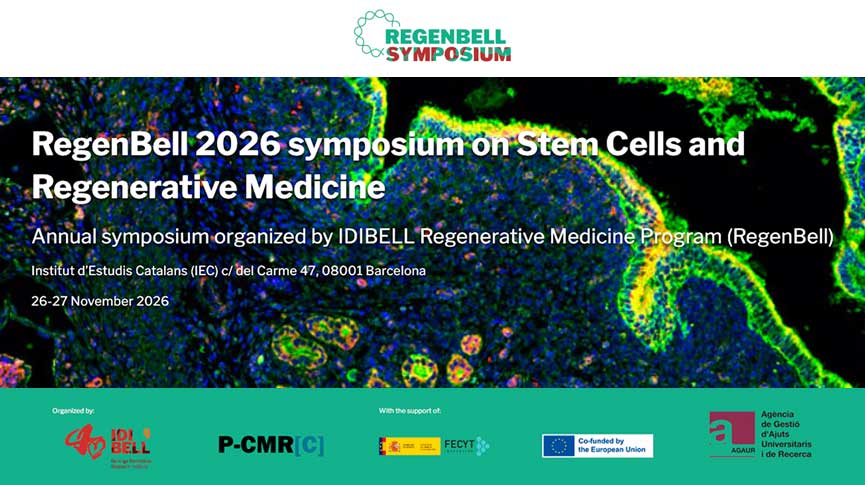
This one-and-a-half-day symposium will feature international and local speakers and aims to cover a wide range of topics, including Immune and Genetic Gatekeepers in Reproduction, Immune modulation of organ regeneration, The Immune microenvironment for stem cell aging and rejuvenation and Modeling Multicellular System with Organoids

Ageing of blood stem cells directly affects healthspan and lifespan of the whole organism: stem cell rejuvenating strategies could help prevent age-related diseases.
IDIBELL researchers identify the role of Notch signaling alterations in inducing blood aging, which manifests as myeloid skewing, reduced regenerative capacity and clonal expansion of old stem cells.
Targeting Notch signaling alteration upon aging might pave the way to a novel rejuvenating approach

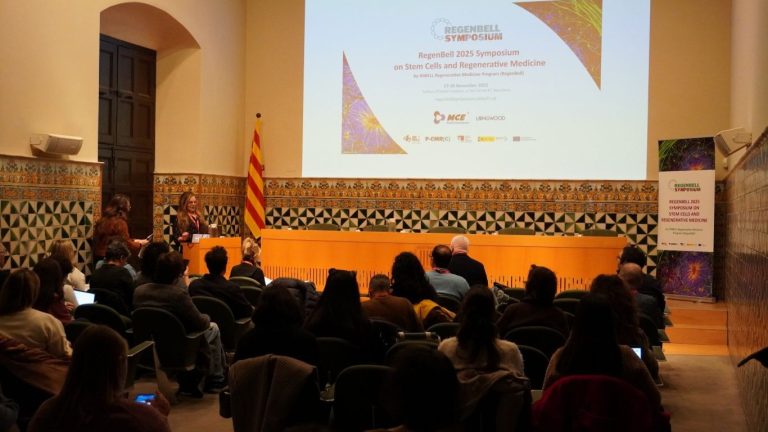
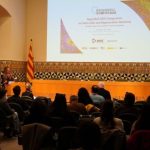
On 27 and 28 November, the RegenBell Symposium on Stem Cells and Regenerative Medicine, organised by IDIBELL, has brought together national and European researchers to share and discuss the latest advances in this cutting-edge science field.
With its third edition, this conference reaffirms its main objective: to establish a platform for discussion and idea exchange between professionals of all levels interested in the subject.
Throughout the day on Thursday and Today’s morning, more than 170 people have attended the 11 expert conferences, 38 posters and 8 short talks.

According to the results published in Nature Aging, treating blood stem cells ex vivo with the molecule Rhosin leads to their rejuvenation and helps produce healthier blood cells.
Previously, IDIBELL, P-CRM[C] and ICREA Research Professor Dr M. Carolina Florian proved the central role of blood stem cells in the aging of the whole body, suggesting blood rejuvenation as an important biomedical strategy to extend healthspan and lifespan.
Biomedical strategies that ameliorate the detrimental health effects of ageing will be essential in the future scenario: by 2050, the number of people over 60 years of age will have doubled.

An IDIBELL study shows that increasing the methylation of a histone reduces the proliferation capacity of leukaemia cells in preclinical models and in patient samples

Researchers from IDIBELL and IMB-CNM have developed a new vascularized cardiac model: a chip integrated into living heart tissue generated from human stem cells, which could advance our understanding of cardiotoxicity, one of the main barriers currently facing drug development.
The new model is emerging as an alternative to reduce the use of animal models and avoid the rejection of promising drugs due to an overestimation of their cardiac toxicity.

This one-and-a-half-day symposium will feature international and local speakers and aims to cover a wide range of topics, including Immune and Genetic Gatekeepers in Reproduction, Immune modulation of organ regeneration, The Immune microenvironment for stem cell aging and rejuvenation and Modeling Multicellular System with Organoids

Ageing of blood stem cells directly affects healthspan and lifespan of the whole organism: stem cell rejuvenating strategies could help prevent age-related diseases.
IDIBELL researchers identify the role of Notch signaling alterations in inducing blood aging, which manifests as myeloid skewing, reduced regenerative capacity and clonal expansion of old stem cells.
Targeting Notch signaling alteration upon aging might pave the way to a novel rejuvenating approach

On 27 and 28 November, the RegenBell Symposium on Stem Cells and Regenerative Medicine, organised by IDIBELL, has brought together national and European researchers to share and discuss the latest advances in this cutting-edge science field.
With its third edition, this conference reaffirms its main objective: to establish a platform for discussion and idea exchange between professionals of all levels interested in the subject.
Throughout the day on Thursday and Today’s morning, more than 170 people have attended the 11 expert conferences, 38 posters and 8 short talks.

According to the results published in Nature Aging, treating blood stem cells ex vivo with the molecule Rhosin leads to their rejuvenation and helps produce healthier blood cells.
Previously, IDIBELL, P-CRM[C] and ICREA Research Professor Dr M. Carolina Florian proved the central role of blood stem cells in the aging of the whole body, suggesting blood rejuvenation as an important biomedical strategy to extend healthspan and lifespan.
Biomedical strategies that ameliorate the detrimental health effects of ageing will be essential in the future scenario: by 2050, the number of people over 60 years of age will have doubled.

A research team at P-CRM[C] and IDIBELL reveals the genetic events that cause blood stem cell depletion and how these accelerate leukaemia development in patients with GATA2
The study was conducted using advanced models of this genetic disorder generated by the researchers.

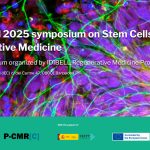
We are pleased to announce the RegenBell 2025 symposium on Stem Cells and Regenerative Medicine, which will take place on November 27-28th at the Institut d’Estudis Catalans (IEC), downtown in Barcelona. The primary goal is to establish an inclusive and collaborative platform for scientists interested in Regenerative Medicine.

For the first time, a RegenBell research team has generated via 3D bioprinting a patch of heart tissue that survives and beats correctly for at least one month after implantation.
Thanks to technological advances, basic research with a clinical orientation and collaboration among groups, RegenBell opens up new therapeutic avenues for cardiovascular diseases.

The results obtained in an IDIBELL study open the door to therapies based on these cells to treat the adverse effects of radiation and improve inflammatory bowel disease.

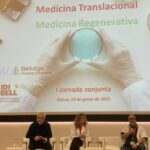
The aim of the conference was to promote interaction between the two areas in order to generate new synergies and nurture existing ones between the researchers at the Bellvitge Campus.
The event was structured around three roundtables and closed with a joint discussion in which new horizons and challenges of research in translational and regenerative medicine were explored.

After the good reception of the first edition in 2023, the second edition of the RegenBell Symposium was held this year on November 21 and 22.
The main objective of this conference is to establish a platform for discussion and ideaexchange between professionals in the subject.
Throughout all Thursday and Friday morning, 11 conferences were presented, 9 of them by guest speakers, 8 selected short talks, and 39 posters, all around stem cells and regenerative medicine.

Jordi Guiu and Gabriel Capellá will carry out their research projects in sexual and reproductive health thanks to the funds raised by La Marató 2023.

Researchers from IDIBELL and the UB identify 15 new cell populations in the pancreas.
Led by Dr. Meritxell Rovira thanks to the CRIS Program of Excellence 2023, this new study will provide a better understanding of how pancreatic cancer develops.

The cause is a change in the epigenetic pattern of the beta cells of the pancreas, which overexpress oncogenes and genes related to insulin production, thus altering their functioning. This change in pattern, a common factor in the vast majority of tumours, is due to the accumulation of different mutations in genes involved in the regulation of gene expression.

M. Carolina Florian and Alessandra Giorgetti, group leaders of the Regenerative Medicine Program at IDIBELL, are part of the organizing committee.
The congress featured more than ten national and international speakers, and 135 participants.

The ICREA Research Professor at P-CRM[C] recently demonstrated how to “hack” the immune system to slow down aging.

The scientist from P-CRM[C], IDIBELL and the University of Barcelona will lead a project aimed at identifying new early detection markers and developing personalized medicine strategies for this pathology.
The recognition granted by the CRIS Foundation against cancer aims to promote and consolidate the careers of researchers with an endowment of up to 1,250,000 euros.
In this call, grants totaling 11.4 million euros have been awarded to ensure that advances in research have a broader reach and impact the treatments received by patients.

Scientists led by Dr Anna Veiga and Dr Sergi Querol have generated seven pluripotent stem cell lines from umbilical cord blood, compatible with 20% of the Spanish population.
These induced pluripotent stem cells (iPSCs) are created from adult cells from umbilical cord blood and can be used to produce advanced therapy drugs and test them in clinical trials, for example in retinal regeneration, heart, or immunotherapies.

Certain variations in our DNA, which had previously gone unnoticed, can have a significant impact on the development of cancer.
62% of the cancer susceptibility genes identified are completely new, which opens up new avenues of study in cancer research.

An IDIBELL study shows that increasing the methylation of a histone reduces the proliferation capacity of leukaemia cells in preclinical models and in patient samples

Researchers from IDIBELL and IMB-CNM have developed a new vascularized cardiac model: a chip integrated into living heart tissue generated from human stem cells, which could advance our understanding of cardiotoxicity, one of the main barriers currently facing drug development.
The new model is emerging as an alternative to reduce the use of animal models and avoid the rejection of promising drugs due to an overestimation of their cardiac toxicity.

This one-and-a-half-day symposium will feature international and local speakers and aims to cover a wide range of topics, including Immune and Genetic Gatekeepers in Reproduction, Immune modulation of organ regeneration, The Immune microenvironment for stem cell aging and rejuvenation and Modeling Multicellular System with Organoids

Ageing of blood stem cells directly affects healthspan and lifespan of the whole organism: stem cell rejuvenating strategies could help prevent age-related diseases.
IDIBELL researchers identify the role of Notch signaling alterations in inducing blood aging, which manifests as myeloid skewing, reduced regenerative capacity and clonal expansion of old stem cells.
Targeting Notch signaling alteration upon aging might pave the way to a novel rejuvenating approach

On 27 and 28 November, the RegenBell Symposium on Stem Cells and Regenerative Medicine, organised by IDIBELL, has brought together national and European researchers to share and discuss the latest advances in this cutting-edge science field.
With its third edition, this conference reaffirms its main objective: to establish a platform for discussion and idea exchange between professionals of all levels interested in the subject.
Throughout the day on Thursday and Today’s morning, more than 170 people have attended the 11 expert conferences, 38 posters and 8 short talks.

According to the results published in Nature Aging, treating blood stem cells ex vivo with the molecule Rhosin leads to their rejuvenation and helps produce healthier blood cells.
Previously, IDIBELL, P-CRM[C] and ICREA Research Professor Dr M. Carolina Florian proved the central role of blood stem cells in the aging of the whole body, suggesting blood rejuvenation as an important biomedical strategy to extend healthspan and lifespan.
Biomedical strategies that ameliorate the detrimental health effects of ageing will be essential in the future scenario: by 2050, the number of people over 60 years of age will have doubled.