Raya Group

STEM CELL POTENCY

Reprogramming the potency of somatic cells to accelerate stem cell-based regeneration

We investigate the mechanisms by which some animal species can regenerate their hearts. This knowledge informs clinically translatable strategies to improve heart repair in patients
Headshot of Angel Raya
Angel Raya
Coordinator, Regenerative Medicine Program of IDIBELL
Director of P-CMRC
araya@idibell.cat

Lab focus

During embryo development, the potency of the zygote is deployed through coordinated and stereotypical changes in cell behaviors and processes of tissue patterning, ultimately resulting in the formation of an entire, highly complex organism in a relatively short period of time. Throughout this process, the developmental potency of individual cells, i.e. their ability to give rise to cells of a different type than their own, is progressively lost, so that somatic cells in adult individuals retain very limited potency (such as in rare adult stem cells) or show no potency at all.

Our laboratory is interested in understanding the mechanisms that govern the degree of potency of human somatic cells, and how it can be experimentally increased for conditions where doing so may be of biomedical relevance. Specifically, the context in which we investigate these issues is mainly centered on the paradigm of cardiac regeneration/repair. Overall, our research takes advantage of a variety of experimental paradigms (zebrafish heart regeneration, human iPSC generation and differentiation), approached from a multi-disciplinary perspective, ranging from bioengineering approaches to 3D stem cell differentiation to single-cell genetic lineage tracing analyses and genetic manipulation of human cells, aimed at tackling important current issues in biology and biomedicine, such as the mechanisms that control the establishment and maintenance of developmental potency, the initiation and progression of the regenerative process, and the differentiation and functional maturation of human cardiomyocytes, and the development of genuinely human models of human disease.

Why it matters

Heart-related diseases are the main cause of mortality in the world, with ischemic heart disease being the single most frequent condition accounting for the death toll. This results from the very limited ability of the mammalian heart to regenerate on its own, and underscores the pressing biomedical need to finding ways for potentiating this ability (heart regeneration) and/or providing new cardiac cells to replace the lost or damaged ones (heart repair).

News

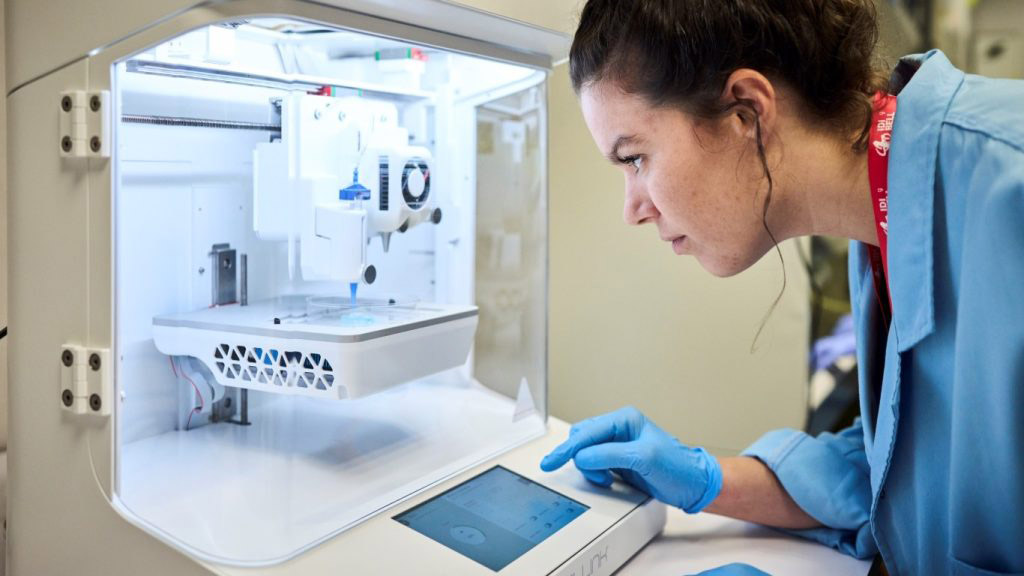
P-CMRC researchers generate heart tissue by 3D bioprinting for the first time (June 2025)
Read Article:
IDIBELL, TV3, La Vanguardia, Ara
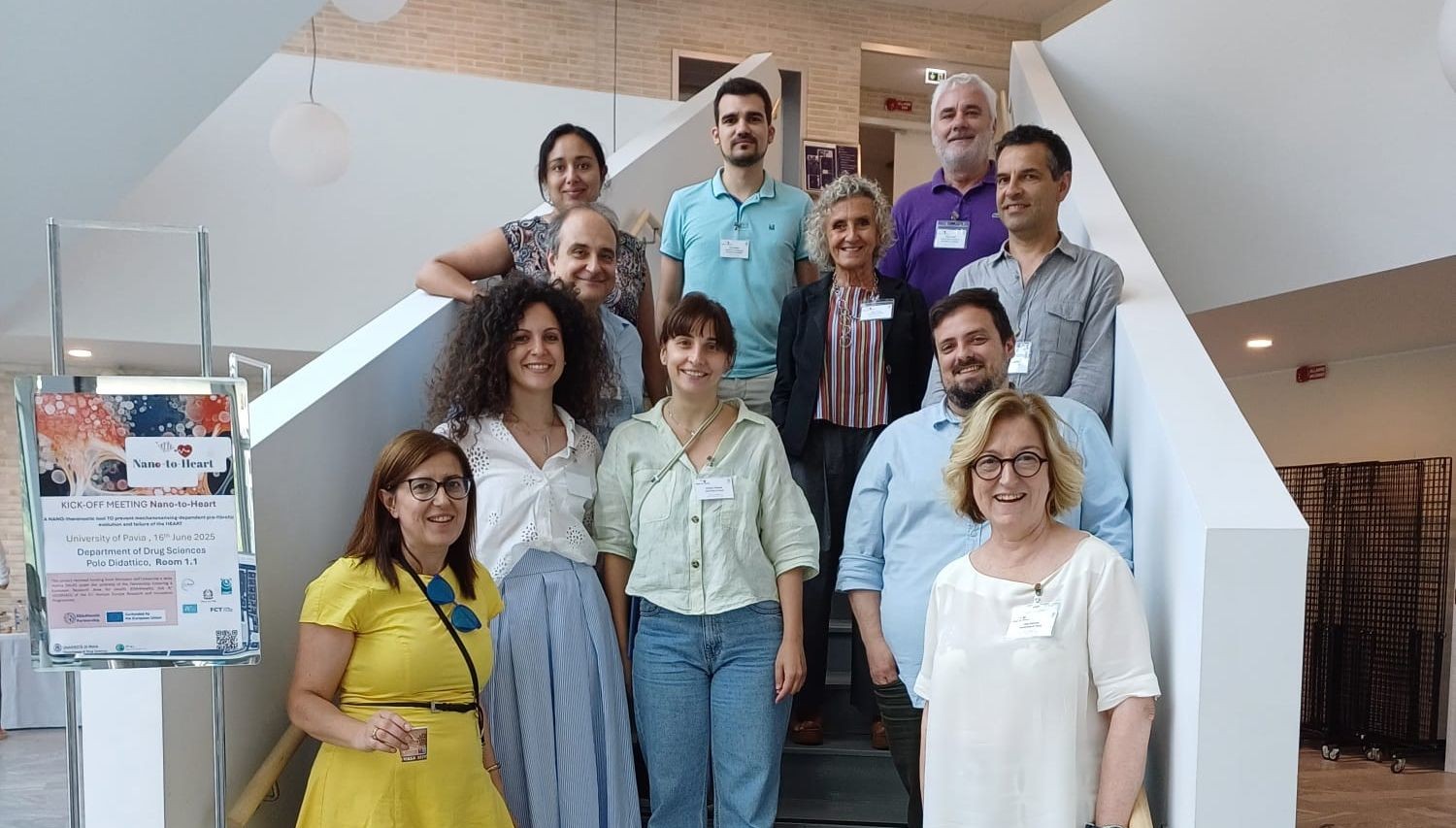
KickOff – Nano-to-Heart (May 2025)
The Nano-to-Heart project has recently launched, and research activities across the various participating groups are now in full swing!
Read Article
Proyecto La Marató – Meeting de partners en Cáceres, CCMIJU – Con BST y Jesus Usón (May 2025)
En el CCMIJU seguimos apostando por la investigación traslacional como vía para abordar grandes retos médicos.
Read Article
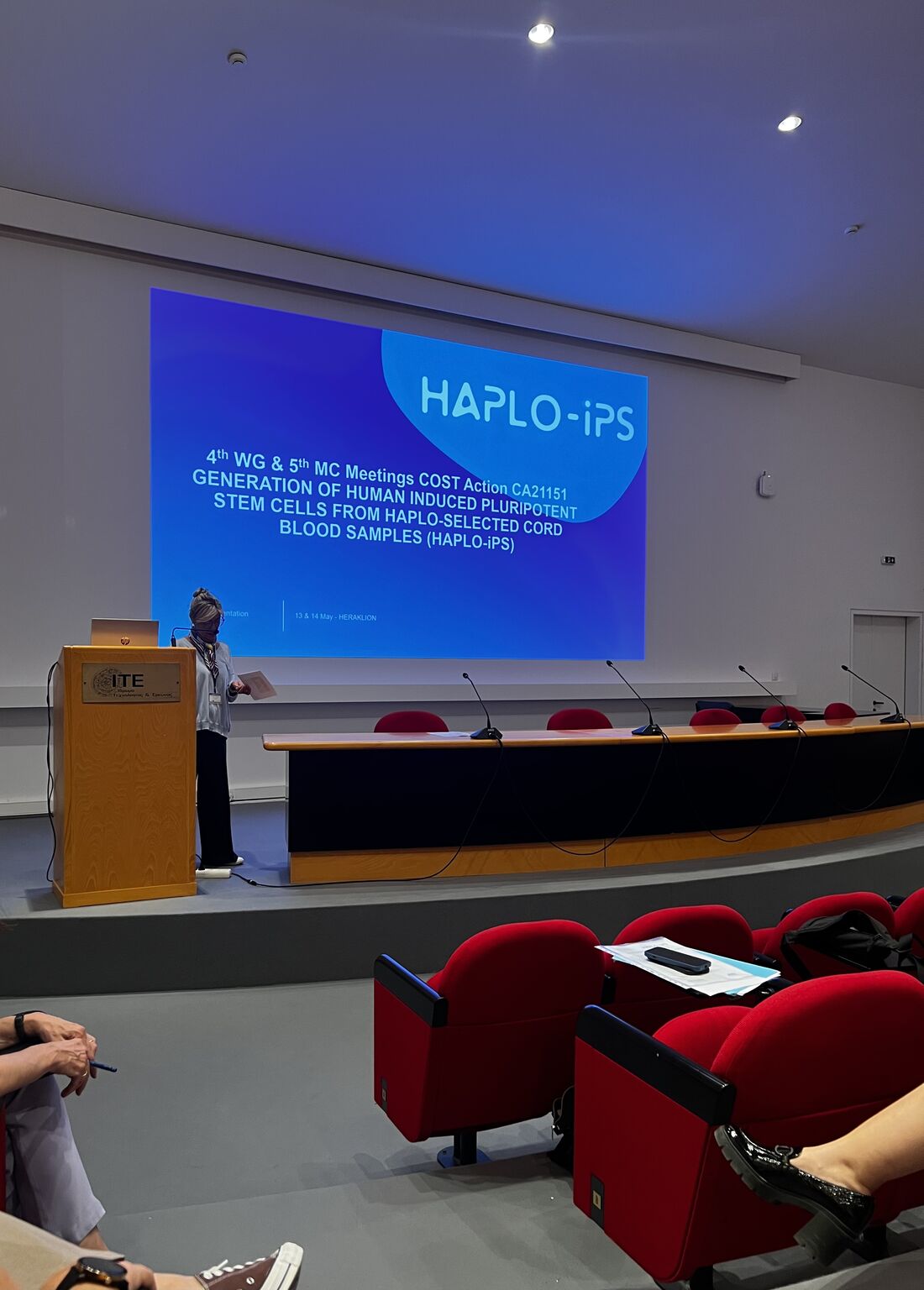
HAPLO iPSC – Crete (May 2025)
The event brought together researchers from across Europe to share progress and define the next steps across key areas such as cell sourcing.
Read Article
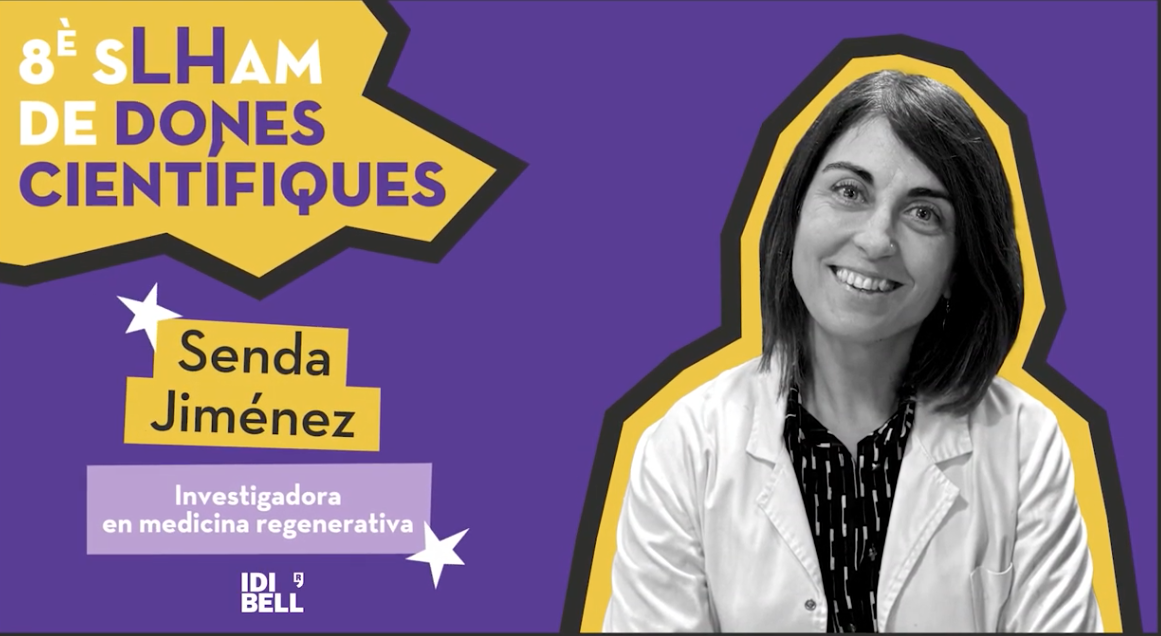
8è SLHam de Dones Científiques (February 2025)
Un acte per apropar la recerca al públic d’una forma distesa i festiva, i posar de relleu el paper de les dones en el sistema de recerca.
Read Article


Funding

Keywords

Heart regeneration, Induced reprogramming, Disease modeling, Cardiac tissue engineering, Stem cell differentiation, Zebrafish, Gene Editing, Bioprocess, 3D Bioprinting.

Publications

Calatayud C, Fernandez-Carasa I, Spataro N, Mussolino C, Richaud-Patin Y, Faella A, Fernández-Santiago R, Ezquerra M, Courtin T, Bandres-Ciga S, Miguez A, Canals JM, Chiritoiu M, Malhotra V, Garrido A, Marti MJ, Tolosa E, Bosch E, Cathomen T, Gage FH, Raya A, Consiglio A. Low-frequency genetic variants in GAK enhance Golgi function and protect against Parkinson’s disease. medRxiv [Preprint]. 2025 Aug 15:2025.08.13.25333123. doi: 10.1101/2025.08.13.25333123.

Blasco-Agell L, Pons-Espinal M, Testa V, Roch G, Montero-Muñoz J, Fernandez-Carasa I, Baruffi V, Gonzalez-Sepulveda M, Richaud-Patin Y, Jimenez S, Cuadros T, Cladera-Sastre JM, Compte J, Manglano-Artuñedo Z, Ventura S, Juan M, Tolosa E, Raya A, Vila M, Consiglio A. LRRK2-mutant microglia and neuromelanin synergize to drive dopaminergic neurodegeneration in an iPSC-based Parkinson’s disease model. Commun Biol. 2025 Aug 12;8(1):1203. doi: 10.1038/s42003-025-08544-4.

Pourchet L, Casado-Medina L, Richaud-Patin Y, Tadevosyan K, Morillas-García A, Lorenzo E, Lazis I, Ventura A, Litowczenko J, Guiu J, Raya A. 3D bioprinting of human iPSC-derived cardiac constructs with microvascular network support for improved graft survivalin vivo. Biofabrication. 2025 May 23;17(3). doi: 10.1088/1758-5090/add627.

Catasús N, Casals-Sendra G, Torres-Martin M, Rosas I, Kuebler B, Mazuelas H, Amilibia E, Aran B, Veiga A, Raya Á, Gel B, Blanco I, Serra E, Carrió M, Castellanos E. iPSC-based merlin-deficient Schwann cell-like spheroids as an in vitro system for studying NF2 pathogenesis. Genes Dis. 2025 Mar 27;12(6):101615. doi: 10.1016/j.gendis.2025.101615. eCollection 2025 Nov.

Calle X, Garrido-Moreno V, Becerra B, Troncoso MF, Silva-Agüero JF, Guajardo-Correa E, Venegas-Zamora L, Lopez-Gallardo E, Muñoz-Córdova F, Fredericksen F, Aedo-Cares S, Peñaloza-Otárola A, Ortega A, Raya A, Maracaja-Coutinho V, Chiong M, Parra V, Lavandero S. 17-beta estradiol prevents cardiac myocyte hypertrophy by regulating mitochondrial E3 ubiquitin ligase 1.Cell Death Dis. 2025 Feb 19;16(1):111. doi: 10.1038/s41419-025-07389-3.

Pons-Espinal M, Blasco-Agell L, Fernandez-Carasa I, Andrés-Benito P, di Domenico A, Richaud-Patin Y, Baruffi V, Marruecos L, Espinosa L, Garrido A, Tolosa E, Edel MJ, Otero MJ, Mosquera JL, Ferrer I, Raya A, Consiglio A. Blocking IL-6 signaling prevents astrocyte-induced neurodegeneration in an iPSC-based model of Parkinson’s disease. JCI Insight. 2024 Feb 8;9(3):e163359. doi: 10.1172/jci.insight.163359.

Kuebler B, Alvarez-Palomo B, Aran B, Castaño J, Rodriguez L, Raya A, Querol Giner S, Veiga A. Generation of a bank of clinical-grade, HLA-homozygous iPSC lines with high coverage of the Spanish population. Stem Cell Res Ther. 2023 Dec 13;14(1):366. doi: 10.1186/s13287-023-03576-1.

Reinal I, Ontoria-Oviedo I, Selva M, Casini M, Peiró-Molina E, Fambuena-Santos C, Climent AM, Balaguer J, Cañete A, Mora J, Raya Á, Sepúlveda P. Modeling Cardiotoxicity in Pediatric Oncology Patients Using Patient-Specific iPSC-Derived Cardiomyocytes Reveals Downregulation of Cardioprotective microRNAs. Antioxidants (Basel). 2023 Jul 3;12(7):1378. doi: 10.3390/antiox12071378.

Escribá R, Larrañaga-Moreira JM, Richaud-Patin Y, Pourchet L, Lazis I, Jiménez-Delgado S, Morillas-García A, Ortiz-Genga M, Ochoa JP, Carreras D, Pérez GJ, de la Pompa JL, Brugada R, Monserrat L, Barriales-Villa R, Raya A. iPSC-Based Modeling of Variable Clinical Presentation in Hypertrophic Cardiomyopathy. Circ Res. 2023 Jul 7;133(2):108-119. doi: 10.1161/CIRCRESAHA.122.321951. Epub 2023 Jun 15.

Tristán-Noguero A, Fernández-Carasa I, Calatayud C, Bermejo-Casadesús C, Pons-Espinal M, Colini Baldeschi A, Campa L, Artigas F, Bortolozzi A, Domingo-Jiménez R, Ibáñez S, Pineda M, Artuch R, Raya Á, García-Cazorla À, Consiglio A. iPSC-based modeling of THD recapitulates disease phenotypes and reveals neuronal malformation. EMBO Mol Med. 2023 Mar 8;15(3):e15847. doi: 10.15252/emmm.202215847. Epub 2023 Feb 6.

Pesce M, Duda GN, Forte G, Girao H, Raya A, Roca-Cusachs P, Sluijter JPG, Tschöpe C, Van Linthout S. Cardiac fibroblasts and mechanosensation in heart development, health and disease. Nat Rev Cardiol. 2023 May;20(5):309-324. doi: 10.1038/s41569-022-00799-2. Epub 2022 Nov 14.

Siguero-Álvarez M, Salguero-Jiménez A, Grego-Bessa J, de la Barrera J, MacGrogan D, Prados B, Sánchez-Sáez F, Piñeiro-Sabarís R, Felipe-Medina N, Torroja C, Gómez MJ, Sabater-Molina M, Escribá R, Richaud-Patin I, Iglesias-García O, Sbroggio M, Callejas S, O’Regan DP, McGurk KA, Dopazo A, Giovinazzo G, Ibañez B, Monserrat L, Pérez-Pomares JM, Sánchez-Cabo F, Pendas AM, Raya A, Gimeno-Blanes JR, de la Pompa JL. A Human Hereditary Cardiomyopathy Shares a Genetic Substrate With Bicuspid Aortic Valve.Circulation. 2023 Jan 3;147(1):47-65. doi: 10.1161/CIRCULATIONAHA.121.058767. Epub 2022 Nov 3.

Álvarez-Palomo B, Veiga A, Raya A, Codinach M, Torrents S, Ponce Verdugo L, Rodriguez-Aierbe C, Cuellar L, Alenda R, Arbona C, Hernández-Maraver D, Fusté C, Querol S. Public Cord Blood Banks as a source of starting material for clinical grade HLA-homozygous induced pluripotent stem cells. Stem Cell Res Ther. 2022 Aug 12;13(1):408. doi: 10.1186/s13287-022-02961-6.

Mazuelas H, Magallón-Lorenz M, Fernández-Rodríguez J, Uriarte-Arrazola I, Richaud-Patin Y, Terribas E, Villanueva A, Castellanos E, Blanco I, Raya Á, Chojnacki J, Heyn H, Romagosa C, Lázaro C, Gel B, Carrió M, Serra E. Modeling iPSC-derived human neurofibroma-like tumors in mice uncovers the heterogeneity of Schwann cells within plexiform neurofibromas. Cell Rep. 2022 Feb 15;38(7):110385. doi: 10.1016/j.celrep.2022.110385.

Iborra-Egea O, Martínez-Falguera D, Roura S, Bayes-Genis A, Raya Á, Gálvez-Montón C. Porcine iPSC Generation: Testing Different Protocols to a Successful Application. Methods Mol Biol. 2022;2454:61-81. doi: 10.1007/7651_2021_446.

Saludas L, Garbayo E, Mazo M, Pelacho B, Abizanda G, Iglesias Garcia O, Raya A, Prosper F, Blanco-Prieto MJ. (2019) Long-term engraftment of human cardiomyocytes combined with biodegradable microparticles induces heart repair. J Pharmacol Exp Ther 370(3):761-771. Epub 2019, Feb 6.

Uroz M, Garcia-Puig A, Tekeli I, Elosegui-Artola A, Albertazzi L, Roca-Cusachs P, Raya A, Trepat X. (2019) Traction forces at the cytokinetic ring regulate cell division and polyploidy in the migrating zebrafish epicardium. Nat Mater 18(9):1015-1023. Epub 2019, Jun 3.

Cai R, Zhang Y, Simmering JE, Schultz JL, Li Y, Fernandez-Carasa I, Consiglio A, Raya A, Polgreen PM, Narayanan NS, Yuan Y, Chen Z, Su W, Han Y, Zhao C, Gao L, Ji X, Welsh MJ, Liu L. (2019) Enhancing glycolysis attenuates Parkinson’s disease progression in models and clinical databases. J Clin Invest 129(10):4539-4549. Epub 2019, Sep 16.

Benzoni P, Campostrini G, Landi S, Bertini V, Marchina E, Iascone M, Ahlberg G, Olesen MS, Crescini E, Mora C, Bisleri G, Muneretto C, Ronca R, Presta M, Poliani PL, Piovani G, Verardi R, Pasquale ED, Consiglio A, Raya A, Torre E, Lodrini AM, Milanesi R, Rocchetti M, Baruscotti M, DiFrancesco D, Memo M, Barbuti A, Dell’Era P. (2019) Human iPSC modeling of a familial form of atrial fibrillation reveals a gain of function of If and ICaL in patient-derived cardiomyocytes. Cardiovasc Res Epub 2019, Aug 28.

Castaño J, Aranda S, Bueno C, Calero-Nieto FJ, Mejia-Ramirez E, Mosquera JL, Blanco E, Wang X, Prieto C, Zabaleta L, Mereu E, Rovira M, Jiménez-Delgado S, Matson DR, Heyn H, Bresnick EH, Göttgens B, Di Croce L, Menendez P, Raya A and Giorgetti A. (2019) GATA2 Promotes Hematopoietic Development and Represses Cardiac Differentiation of Human Mesoderm. Stem Cell Rep 13(3):515-529. Epub 2019, Aug 8.

Members

Headshot of Laura Casado
Laura Casado
PhD student
Headshot of Jorge Castillo
Jorge Castillo
Post Doc

Mercedes Crespo

Research Technician

Salim Çeriğ
Post Doc
Headshot of Cristina García
Cristina García
Research Assistant

Lieke Goeree

Master Student

Headshot of Senda Jiménez-Delgado
Senda Jiménez-Delgado
Staff scientist
Headshot of Marina Molina
Marina Molina
PhD Student
Headshot of Alba Morillas
Alba Morillas
Research Assistant
Headshot of Virginia Nieto
Virginia Nieto
Post Doc

Laia Ortega

PhD student
Headshot of Taqwa Qasem
Taqwa Qasem
PhD student
Headshot of Yvonne Richaud
Yvonne Richaud
Senior Research Assistant

Aamina Tatari

Master Student

Cristina Torres

Post Doc
Headshot of Yuan Yang
Yuan Yang
PhD student
Headshot of Maria van Dongen
Maria van Dongen
Assistant to Director
© P-CMRC 2009-2026– Legal NoticePrivacy Policy

Angel Raya
ICREA Research Professor Coordinator, Regenerative Medicine Program of IDIBELL
Director of P-CMRC

araya@idibell.cat

Prof. Angel Raya holds an MD and a PhD from the University of Valencia. He pursued postdoctoral training at the Instituto de Investigaciones Citológicas (currently, Centro de Investigación Príncipe Felipe) in Valencia, from 1995 to 2000. He then was a Research Associate (2000-2004) and a Senior Research Associate (2004-2006) at the Gene Expression Laboratory of the Salk Institute for Biological Studies, La Jolla, CA (USA).

He returned to Spain in 2006 as an ICREA Research Professor. He was CMRB´s Scientific Coordinator until 2009, when he joined the Institute for Bioengineering of Catalonia (IBEC) as group leader of the Control of Stem Cell Potency Group. In 2014 he was appointed Director at CMRB.

Research in Prof. Raya’s group aims to understand the tissue, cellular and molecular mechanisms that determine the regenerative response in certain species of vertebrates, as well as the genetic and epigenetic mechanisms that control cellular reprogramming. This phenomenon provides a link between the traditional study of epimorphic regeneration and the induced pluripotency strategies of regenerative medicine.

Laura Casado
PhD student
lcasadom@idibell.cat

Laura Casado obtained her bachelor’s degree in Biomedical Sciences from the Universitat Autònoma de Barcelona in 2017. After finishing, she spent three months working as an intern, thanks to the grant Oportunidad al Talento (ONCE), in the “Cellular plasticity and disease” research group at the Institute for Research in Biomedicine (IRB) Barcelona.

In 2018, she finished her Master’s degree in Regenerative Biomedicine from the University of Granada. Her research was focused on the study of the expression of androgen receptor splice variants 7 and 9 during the development of prostate cancer resistances in the “Gene regulation, Stem cells and Development” research group at the Pfizer-University of Granada-Junta de Andalucía Centre for Genomics and Oncological Research (GENYO).

Currently, Laura is working on her PhD Project focused on cardiac tissue engineering using 3D bioprinting under the direction of Dr. Ángel Raya at the Regenerative Medicine Program of IDIBELL.

Jorge Castillo
Post Doc
jcastillo@idibell.cat

Jorge Castillo received his bachelor degree in biological sciences at National Autonomous University of Mexico (UNAM) in 2008. During this time he studied the hormonal bases that regulate the onset of paternal behavior in rodents.

From 2008 to 2012 Jorge studied his master’s degree in Biochemical Sciences at the Institute of Cellular Physiology (UNAM) where he worked with the molecular bases that regulate the storage and silencing of maternal RNAs during the formation and inheritance of the germ line, using zebrafish as a model study organism.

Then, in 2018 Jorge obtained his Ph.D. in Biomedical Sciences at the Biotechnology Institute (UNAM). In his doctoral thesis he focused on studying the molecular mechanisms that regulate the heart development, specifically he found, using CRISPR-Cas9 system, that the SWI/SNF chromatin-remodeling complex subunit BAF57, plays an essential role during the zebrafish heart development. During this period Jorge gained solid experience about the study of the heart development and the epigenetic mechanisms involved in this process.

In November 2019 Dr. Castillo joined Dr. Angel Raya’s group as a postdoctoral researcher, focusing on studying the role of the extracellular matrix during the cardiac regeneration processes in zebrafish.


Mercedes Crespo
Research Technician
mcrespoh@idibell.cat

Mercedes Crespo obtained her Bachelor’s Degree in Biomedical Sciences from the Universitat Autònoma de Barcelona (UAB) in 2023. During her undergraduate training, she completed an internship at the Department of Pathology at Hospital de la Santa Creu i Sant Pau (Barcelona), where she participated in the clinical diagnostic workflow and gained hands-on experience in the execution and interpretation of molecular diagnostic techniques.

In 2025, she completed her Master’s Degree in Biochemistry, Molecular Biology, and Biomedicine at the UAB. She carried out her Master’s thesis at the Department of Biochemistry and Molecular Biology (UAB), focusing on the culture, monitoring, and analysis of 3D murine glioblastoma models. Her work involved the evaluation of cell growth, treatment response, and the release of immunogenic signals, contributing to the understanding of tumor biology in more physiologically relevant systems.

In December 2025, Mercedes joined Dr. Ángel Raya’s research group as a lab technician, where she continues to develop her research career in the field of biomedical science. She is currently aiming to achieve large scale expansion of iPSC-derived cardiomyocytes.


Salim Çeriğ

Post Doc

scerig@idibell.cat

Dr. Salim Çeriğ received a BSc in Biology from Atatürk University (Erzurum, Türkiye) in 2007. He began his MSc in 2008 and in 2009 he was appointed Research Assistant in the same department. In 2012 he completed his MSc on plant stress signaling and antioxidant enzyme responses in winter wheat, a position he held through his 2017 PhD on the in-vitro oxidative and cyto-genotoxic effects of chitosan in human peripheral blood mononuclear cells.

He was recruited to Bartın University (Bartın, Türkiye) in 2018 as Assistant Professor, serving as Head of Animal Biotechnology and helping establish a Cancer Research Laboratory. In 2019, he joined Ağrı İbrahim Çeçen University (Ağrı, Türkiye) as Assistant Professor and has been working as an Associate Professor since 2024. Across these appointments, he taught a broad portfolio of courses at associate- and undergraduate-levels—ranging from laboratory practicums to core lectures—in biology, molecular biology, biotechnology, and medical sciences. His earlier research spanned multi-organ toxicology (stomach, liver, pancreas, kidney), combining biochemical, histological, and molecular analyses to map mechanisms of injury and protection, and included peer-reviewed publications, book chapters, and international presentations.

Research by Dr. Çeriğ focuses on modeling and mitigating therapy-induced cardiotoxicity. Building on a background in molecular toxicology and studies of protective natural compounds (e.g., oleuropein, thymol, propolis) acting on oxidative stress, inflammation, apoptosis and DNA-damage pathways, his current work employs iPSC-derived cardiomyocytes and heart-on-a-chip platforms to identify cardioprotective strategies with translational relevance to cardiac regeneration.

In September 2025, Dr. Çeriğ joined Ángel Raya’s group at IDIBELL/CIBER-BBN as an ARISTOS Marie Skłodowska-Curie Postdoctoral Fellow.

Cristina García
Research Assistant
cgarcía@idibell.cat

Cristina García studied a Higher Technical Certificate in Clinical Diagnosis laboratory techniques at the Roger de Llúria IFP between 2010 and 2012. During her studies she did an internship at the units of microbiology, blood bank & emergencies at the Moisès Broggi Hospital, as well as at the Control of Stem Cell Potency lab at the Institute for Bioengineering of Catalonia (IBEC), under the supervision of Dr. Ángel Raya.

Once she obtained her B category diploma on Laboratory Animal Research, she started working as a technician responsible of zebrafish facilities maintenance and she was also carrying out the generation and care of transgenic lines. Cristina also played the role of assistant in molecular biology at the laboratory of Dr. Ángel Raya, where she had been doing her internship some time before. During this period, she acquired a great experience in both zebrafish care and laboratory techniques.

In 2015 she moved to the CMR[B] doing the same functions than before, also with the Ángel Raya’s team. In 2016 she has attended a course on the genetic basis of complex diseases at Aetel, thus increasing her knowledge in this field.


Lieke Goeree
Master Student
lgoeree@idibell.cat

Lieke Goeree obtained her bachelor’s degree in Molecular and Biophysical Life Sciences from Utrecht University, the Netherlands, in 2024. For 3 months she worked as in an intern on the binding of kinesin to microtubules.

In 2025 she started her Master’s degree in Biofabrication at Utrecht University. For 9 months she worked as an intern on the fabrication of an organ-on-chip model of the synovium with micropatterning for vasculature formation added by Laser-Induced Forward Transfer.

In 2026 she joined Ángel Raya’s group as an intern to work together with Laura Casado on cardiac tissue engineering.

Headshot of Senda Jiménez-Delgado
Senda Jiménez-Delgado
Staff scientist
Senda Jiménez-Delgado obtained her PhD degree in Biology from the Universitat de Barcelona in 2008, for her work on the Evo-Devo field, studying somitogenesis during the embryonic development of the cephalochordate amphioxus.
She joined the CRM[B] in 2009 as a research assistant Dr. Ángel Raya’s group. Until 2018, she was involved in a variety of projects related to cell reprogramming and cardiomyocytes differentiation, as well as in the study of heart regeneration in the zebrafish.
From 2018 to 2023, she was worked in Verena Ruprecht’s group at CRG as a lab manager and setting up molecular techniques such as CRISPR/Cas9 and CRISPR/Cas13 to generate KO, KI and KD in zebrafish to study different molecular processes related with mechanobiology during early embryogenesis.
In September 2023, she joined P-CMR[C] program as a Staff Scientist in Ángel Raya’s group, where she is a lab manager and senior specialist in molecular biology and zebrafish research.
Headshot of Marina Molina
Marina Molina
PhD Student

Marina Molina completed her bachelor’s studies in Biology at the Universidad Peruana Cayetano Heredia (UPCH) in 2016. She worked as a research assistant in the establishment of Peru’s first zebrafish experimentation platform for drug screening at the Developmental Neurobiology Laboratory at the LID-UPCH. In this laboratory, she conducted her bachelor’s thesis project under the direction of Dr. Edward Malaga, evaluating the effects of potential bioactive compounds on zebrafish neural development.

In 2022, she obtained her master’s degree in Human Genetics and Genomics from the Universitat de Barcelona (UB). During her studies, she joined the Genetics of Cellular Behaviour Laboratory at the IBUB, where she conducted her master’s thesis under the direction of Dr. Sofia J. Araujo, performing an in vivo genetic screen of lung function and disease candidate genes using tissue-specific RNAi in Drosophila melanogaster.

In January 2025, Marina joined Dr. Ángel Raya’s group at IDIBELL as a predoctoral researcher, focusing on Zebrafish Heart Regeneration within the Stem Cell Potency research unit.

Alba Morillas
Research Assistant
amorillas@idibell.cat

Alba Morillas studied a Higher Technical Certificate in Clinical Diagnosis laboratory techniques at the Miquel Martí i Pol IES between 2013 and 2015. During her studies she did an internship at the units of Biochemistry and Immunology at the Bellvige Universitary Hospital.

Once completed the specialization, she worked at the Bellvige Universitary Hospital in departments of Special Biochemistry Hormones and Molecular Biology. During this period, she acquired a great experience in the techniques applied in molecular biology.

Since February 2018, she is a Specialist Technician of the Molecular Biology Platform at CMRB. She carries out technical supporting tasks for the researchers of the center, collaborating in different projects and research lines.

Headshot of Virginia Nieto
Virginia Nieto
Post Doc
Virginia Nieto Romero obtained a BSc degree in Biotechnology from University of León in 2013, a MSc degree from Complutense University of Madrid in 2014, and a PhD degree from Autonomous University of Madrid in 2021, for work done at the Cell Technology Division, Biomedical Innovation Unit (CIEMAT-CIBERER-IIS/FJD, Madrid, Spain), under the supervision of Drs. María García-Bravo and José Carlos Segovia. During her PhD studies, Virginia developed different gene editing strategies in combination with a protocol for direct reprogramming toward hepatic cells to generate locus-specific gene corrected induced-hepatocytes from patient fibroblasts as an alternative cell source for liver cell replacement therapy for the treatment of Primary Hyperoxaluria type1 (PH1), a rare inheritance liver disorder.
Dr. Virginia Nieto-Romero joined Ángel Raya’s laboratory in IDIBELL in October 2023 as a postdoctoral researcher working on skeletal muscle differentiation of pluripotent stem cells.


Laia Ortega
PhD Student
lortega@idibell.cat

Laia Ortega completed her bachelor’s degree in pharmacy in the Universitat de Barcelona (UB) in 2022, afterwards she pursued a master’s degree in genetics and genomics also in the UB in 2023, where she joined the Mayfly-Lab under the supervision of Dr. Isabel Almudí, performing an analysis of the embryonic development of the mayfly Cloeon dipterum through ATAC-seq.

Afterwards, she completed her master’s in bioinformatics and biostatistics in Universitat Oberta de Catalunya (UOC) in 2025 where she joined the Mayfly-Lab again to perform her master’s thesis, under the supervision of Dr. Maria Rosselló, developing an easy-to-use workflow to make a de novo genome assembly using long reads from ONT data.

In January 2026 Laia joined Dr. Angel Raya’s group to pursue her PhD, focusing on the heart regeneration of zebrafish and the maintenance and optimization of human pluripotent stem cells cultures.

Headshot of Taqwa Qasem
Taqwa Qasem
PhD Student
Taqwa Qasem obtained her Bachelor’s degree (2017) in Medical Laboratory Sciences from Jordan University of Science and Technology (JUST), Jordan, carrying out undergraduate studies on the medical diagnosis of vampire disease. She pursued a Master’s degree in Chemistry at Eastern Mediterranean University (EMU), North Cyprus-Turkey from 2018-2020 studying the application of bio-polymers in medical research, in particular the impact of Alginate-Gelatin Ratios and Lithium on SK-Hep1 Cell Proliferation Encapsulated in Bio-Polymeric Microspheres.
Taqwa worked from 2020-2022 as Research Assistant in the Faculty of Medicine at Yarmouk University, Jordan, being involved in COVID-19 research.
In March 2024, Taqwa joined Angel Raya’s group at IDIBELL to carry out her PhD on the topic ‘Modeling hypertrophic cardiomyopathy using iPSC-based advanced culture systems’.

Yvonne Richaud
Senior Research Assistant
irichaud@idibell.cat

Yvonne Richaud obtained her BSc. in Biochemistry by the Universidad Veracruzana (Mexico) in 1990. Since 1991 to 2007 she worked as a research staff member at the Laboratory of Immunology and Rheumatology from the Instituto Nacional de Ciencias Medicas y Nutricion Salvador Zubirán (Mexico City). Under the direction of Drs. D. Alarcón Segovia and L. Llorente, she participated in several projects focused on the study of cytokines and B-cell hyperactivity of rheumatic autoimmune diseases, particularly systemic lupus erythematosus. Important collaborations of her work have been performed with the research group of Professors D. Emilie and P. Galanaud (INSERM-U131, Clamart, France).

In 2007, Yvonne came to Barcelona and joined the CMR[B] as a research technician under the direction of Dr. Ángel Raya, particularly in the field of cell reprograming.

Then, from 2009 to 2015, she has been working at the Institute for Bioengineering of Catalonia (IBEC) in Dr. Raya’s research group Control of Stem Cell Potency as a senior technician participating in several projects of disease modelling through induced pluripotent stem cells (iPSC).

On January 2016, she came back to the CMR[B] and, since then, she has carried on her work in cell reprogramming and disease modelling.


Aamina Tatari
Master Student
atatari@idibell.cat

Aamina completed her Bachelor’s degree in Biomedicine at the Universitat Internacional de Catalunya (UIC) in 2025. During her undergraduate studies, she joined the IDIBAPS cardiology research group as an undergraduate trainee, where she conducted her bachelor’s thesis project. She gained hands-on experience in cell culture, histological techniques, confocal microscopy, and image analysis using Fiji- ImageJ, contributing to projects focused on endothelial dysfunction and cardiovascular research.

In September 2025, she began her Master’s studies in Experimental Biomedical Research at the UIC.

In February 2026, she joined Dr. Ángel Raya’s group at IDIBELL as a master’s student in the RegenBell program, focusing on Zebrafish Heart Regeneration. She is currently involved in studying the molecular mechanisms underlying cardiac regeneration.


Cristina Torres
Post Doc
ctorres@idibell.cat

Cristina Torres Torres obtained her Bachelor’s degree in Biochemistry from the Universitat Autònoma de Barcelona (UAB). Motivated by an interest in cellular engineering, she moved to France to pursue a Master’s degree at Université Grenoble Alpes, supported by the Avenir excellence scholarship. She subsequently completed her PhD in Cell Biology at the same institution.

During her doctoral research, Cristina focused on understanding how cellular signaling pathways regulate functional plasticity in macrophages, combining molecular biology, cell biology, and advanced imaging approaches. Her work involved the development and application of optogenetic tools to modulate intracellular signaling with spatial and temporal precision, providing new insights into dynamic cell-state regulation.

Cristina has now joined the laboratory of Ángel Raya as part of the European Cardiac Regeneration and Repair “Nano-to-Heart” project. Her research aims to apply nanotheranostic strategies to prevent and reduce cardiac fibrosis in heart failure by selectively targeting fibroblasts using mechanosensation-based therapeutic approaches. Her long-term goal is to contribute to the development of innovative strategies at the interface of cell biology, regenerative medicine, and translational research.

Yuan Yang
PhD student
yuyang@idibell.cat

Yuan Yang completed her master’s degree in basic medicine at the School of Basic Medicine, China Three Gorges University in Hubei, China, from 2018 to 2021. Throughout her master’s studies, she dedicated her research to investigating the mechanisms behind the male reproductive toxicity induced by two common environmental pollutants, Perfluorooctanoic acid (PFOA) and Perfluorooctane sulfonate (PFOS). Notably, she made a significant discovery during her research, highlighting the efficacy of icariin, a flavonoid derived from Epimedium, a Traditional Chinese medicine, in reducing PFOS-induced testicular toxicity.

Following the completion of her master’s degree, Yuan worked as a research assistant between 2021 and 2022 in Dr. Joe Z Zhang’s group at the Shenzhen Bay Laboratory in Shenzhen, China. During her time there, she actively participated in workshops that focused on utilizing the CRISPR/Cas9 technique to generate genome-edited hiPSC (human induced pluripotent stem cell) lines. The aim of these workshops was to elucidate the underlying mechanisms of fibrosis in hypertrophic cardiomyopathy (HCM).

In May 2023, Yuan Yang began her journey as a joint Ph.D. student in the joint Ph.D. program of the Shenzhen Bay Laboratory (SZBL) and The Institute of Biomedical Research of Bellvitge (IDIBELL), at the Program for Clinical Translation of Regenerative Medicine in Catalonia (P-CMR[C]), under the guidance and supervision of two esteemed researchers, Dr. Ángel Raya and Dr. Joe Z Zhang.

Undergraduate students
Marta Lorente
Marta Miret
Mario Barilani
Marta Farres Mendez
Isil Tekeli
Bahaa Arefai
Anna Garcia-Puig
Rubén Escibá
Cybil Nelson
Sara Tamagno
Patricia Marques
Isabel Ramos
Laia Gregori
Ioannis Papadopoulos
Queralt Anglada
Dalel Saidi
Arnau Biosca
Carola Fernandez
Qi Zhu
Jonathan De Smedt
Sebasthian Santiago
Alessia Urzi
Leonard Gable
Elisa Hahn
Ipek Aktan
Eunyeong Kim
Omur Besbinar
Iannis Lazis
Gaia Galluzzi
Lorenzo Masseroni
Luca Ruvo
Yanlin Yang
Yuliya Yuryeva
Josep Maria Jordà
Marianna Paladini
Yannick Richter
Aurora Ferrari
Edgar Lorenzo
Kaelyn Thomas
Graduate students
Eduard Sleep
Ignasi Rodriguez-Piza
Adriana Sanchez-Danes
Alba Mateos
Annarita Oranger
Marcel Orpí
Isaac Canals
Emanuelle Celauro
Clara Sanjurjo
Isil Tekeli
Claudia di Guglielmo
Juan Crespo Santiago
Juan Luis Vázquez
Marcel Orpí
Sabrina Turturro
Maria Valls-Margarit
Carles Calatayud
Zoe Boyer
Anna Garcia-Puig
Rubén Escribá
Demetria Kyriacou
Xuan Li
Karine Tadevosyan
Yannis Lazis
Postdoctoral Researchers
Núria Montserrat
Sergio Mora-Castilla
Vlad Pekarik
Alexandre da Cruz
Adriana Rodríguez-Marí
Marianna Vitaloni
Ruben Peco
America Martinez Calleja
Julian Pulecio
Sylvia Bedford
Samuel Ojosnegros
Ina Berniakovich
Anna Seriola
Mario Notari
Meritxell Rovira
Fernando Gutiérrez
Cristina Prat

Léa Pourchet

Jagoda Litowczenko-Cybulska

Fernanda Fredericksen

Arnau Boix

Karine Tadevosyan

Daniel Uribe

Research assistants
Alberto Garcia Martinez
Lluis Martorell
Senda Jimenez
Edgar Lorenzo